
April 30, 2026
Our final leg of this wondrous exploration of China took us to Beijing, their modern capital city of almost 22 million residents. It has, in general, a more staid and bureaucratized feel compared to everywhere else we have been and our hotel this time was situated well outside of the city center, which has very heavy traffic from tourism and all government doings. So being in a complex of university buildings and housing certainly contributed to that impression of less sense of place. Strolling out the first evening we arrived in the neighborhood, it struck us as akin to any modern city in the world we have been, just with Chinese characters displayed on signs and frontages.
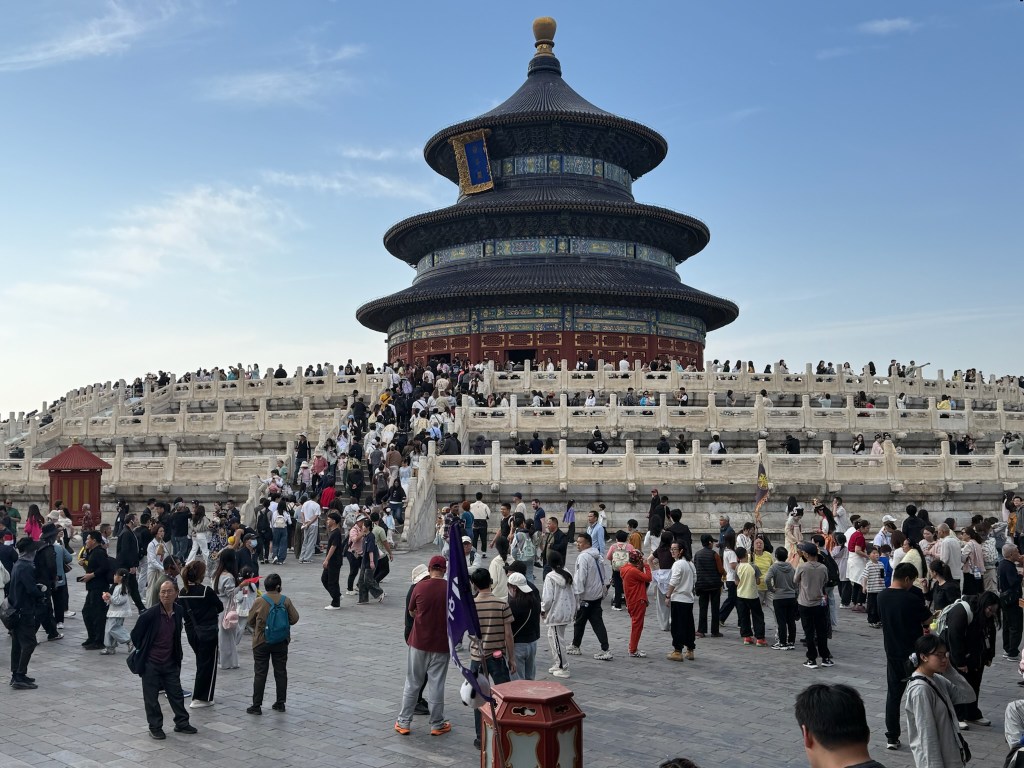
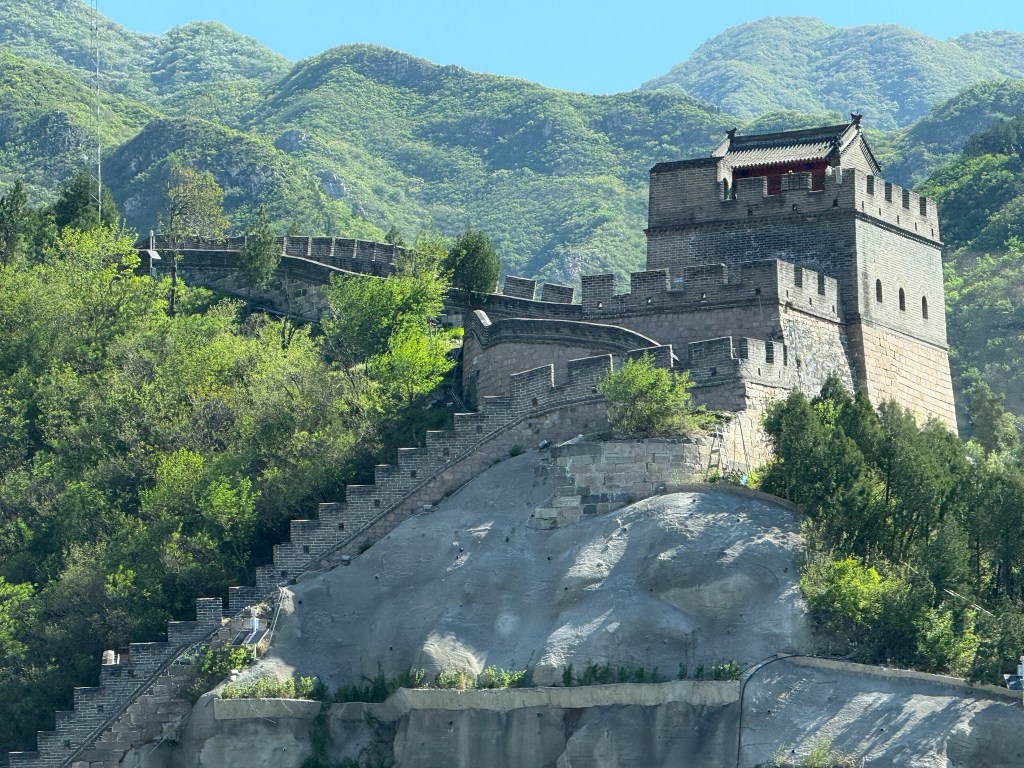
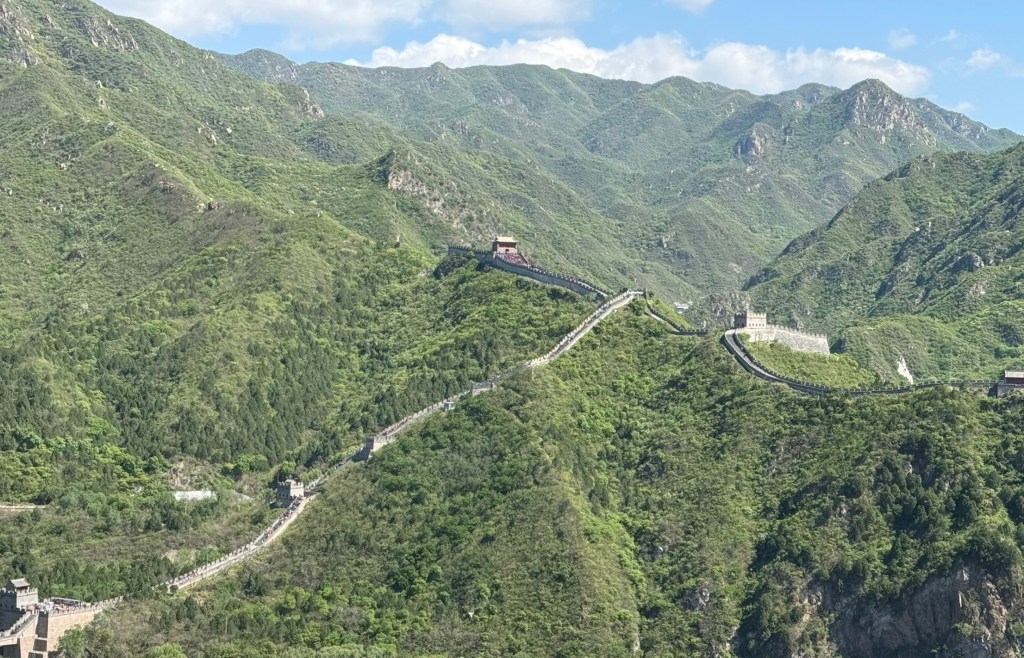
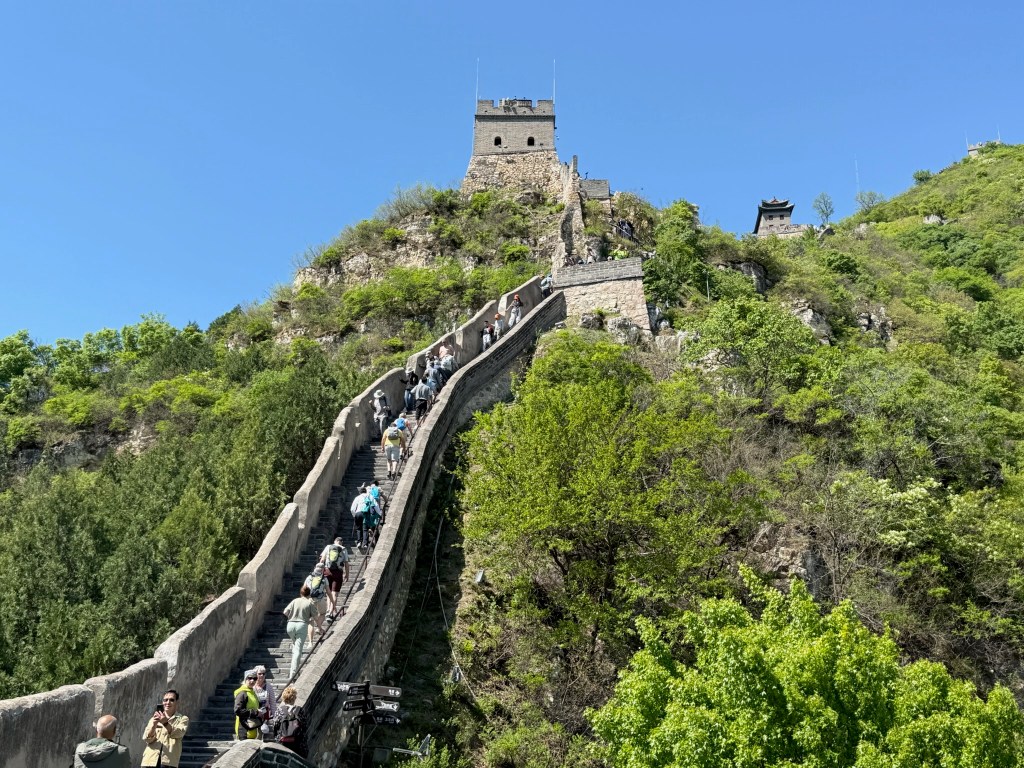
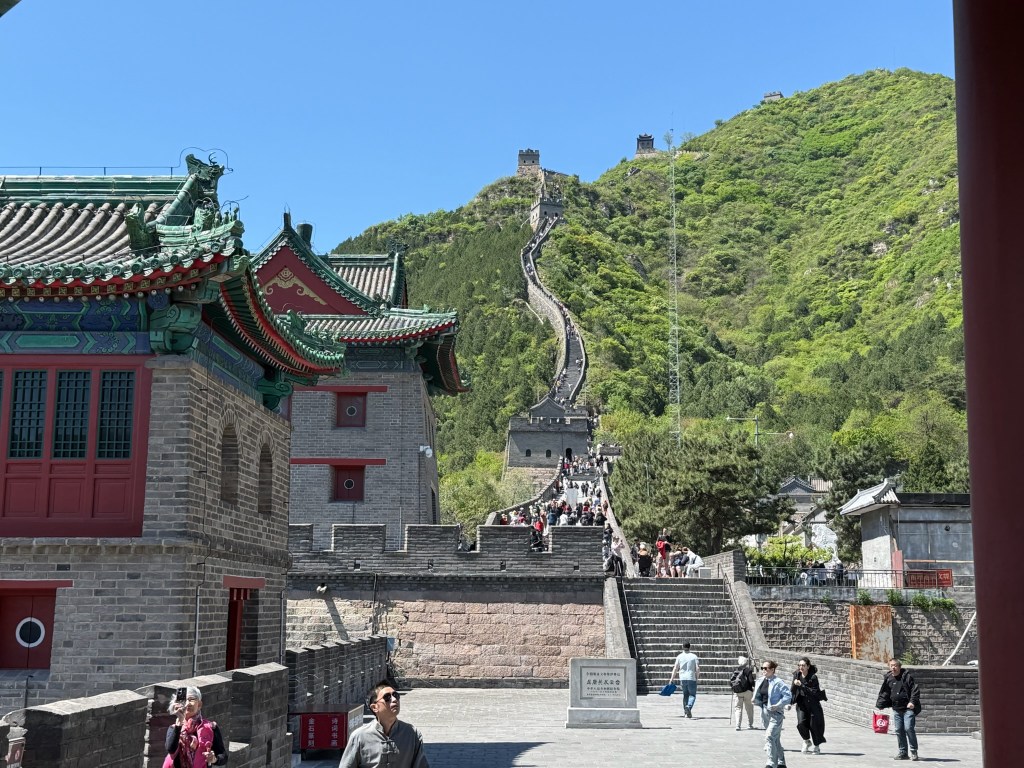
We toured several UNESCO World Heritage sites including the Temple of Heaven and a section of the Great Wall with simply spectacular weather and 30 mile visibility. Just 10-15 years ago, the pollution here could get so bad that bus drivers would lose their way in the city. The electrification of vehicles and anti exhaust standards, coupled with ubiquitous open space tree and garden plantings, have created a miraculous urban recovery in record time.
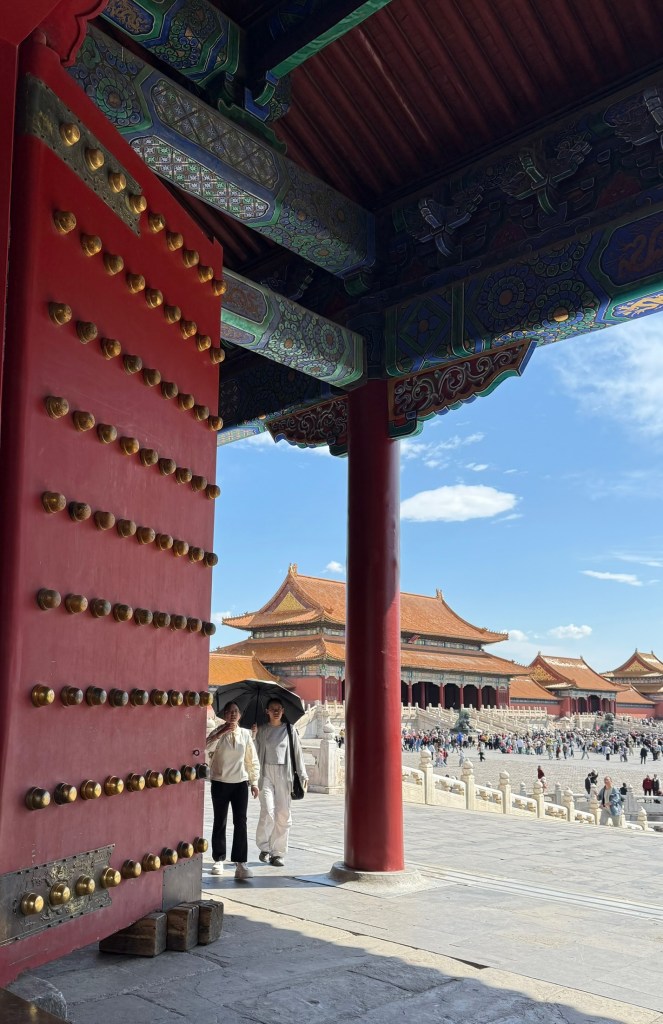
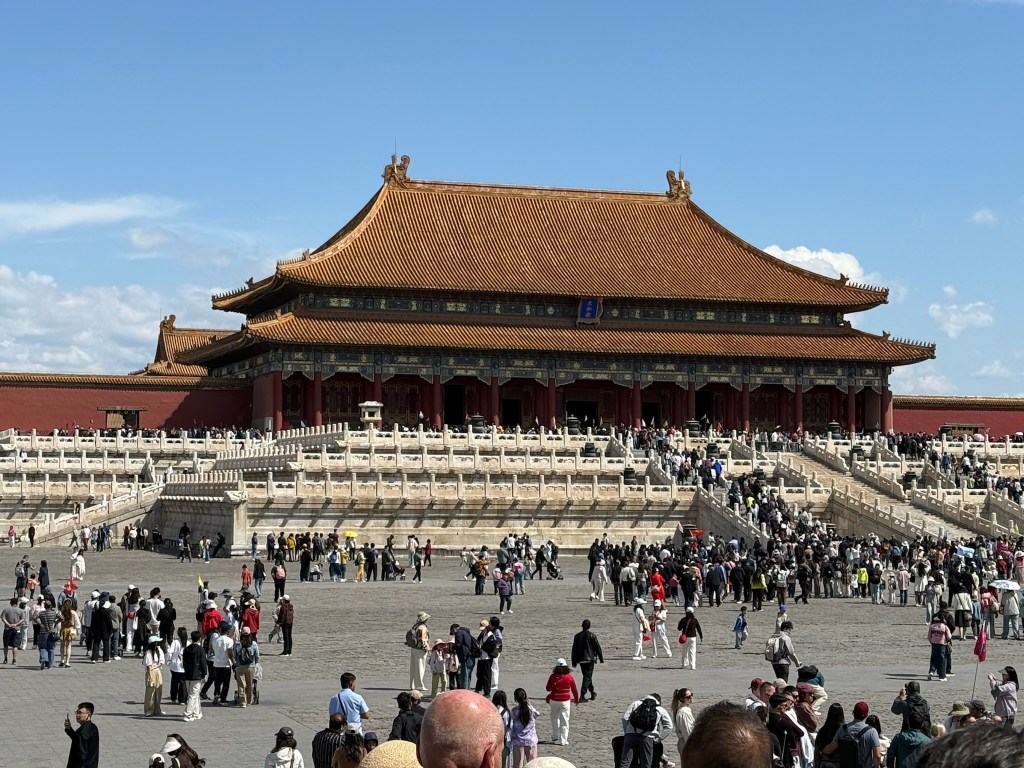
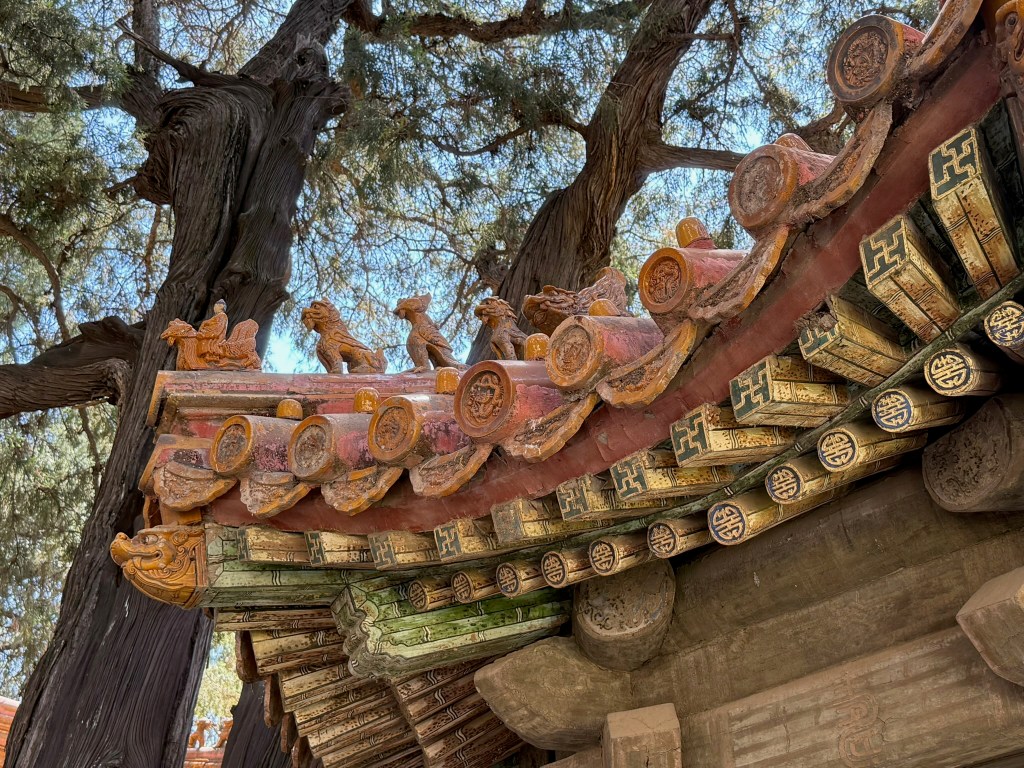
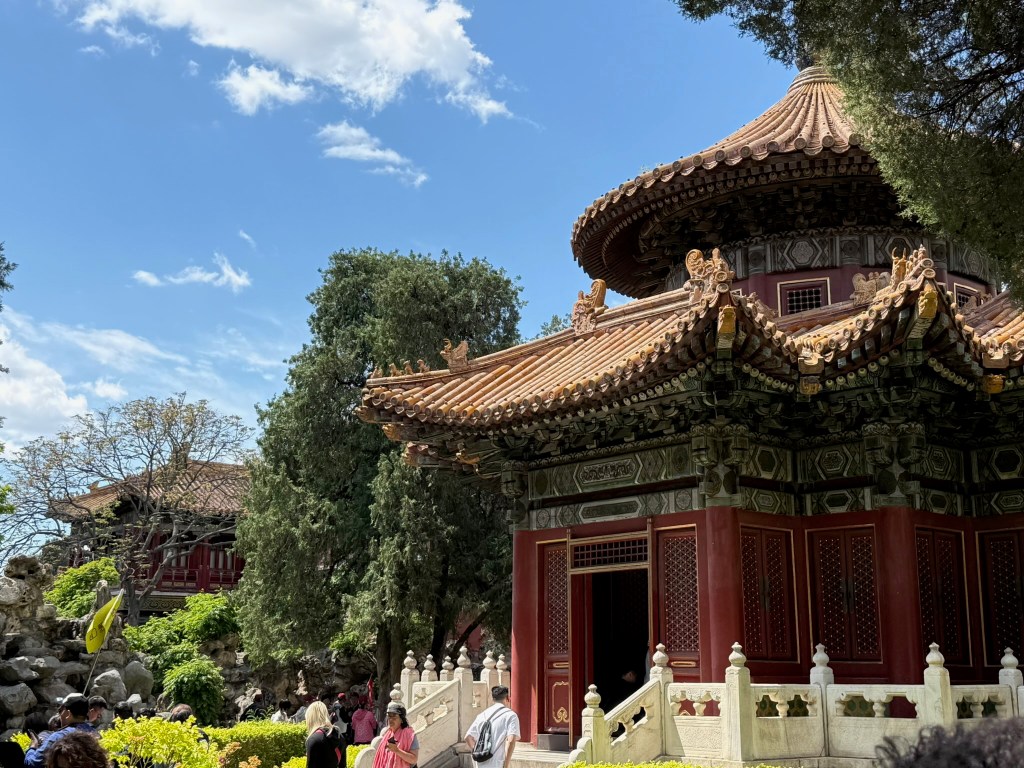
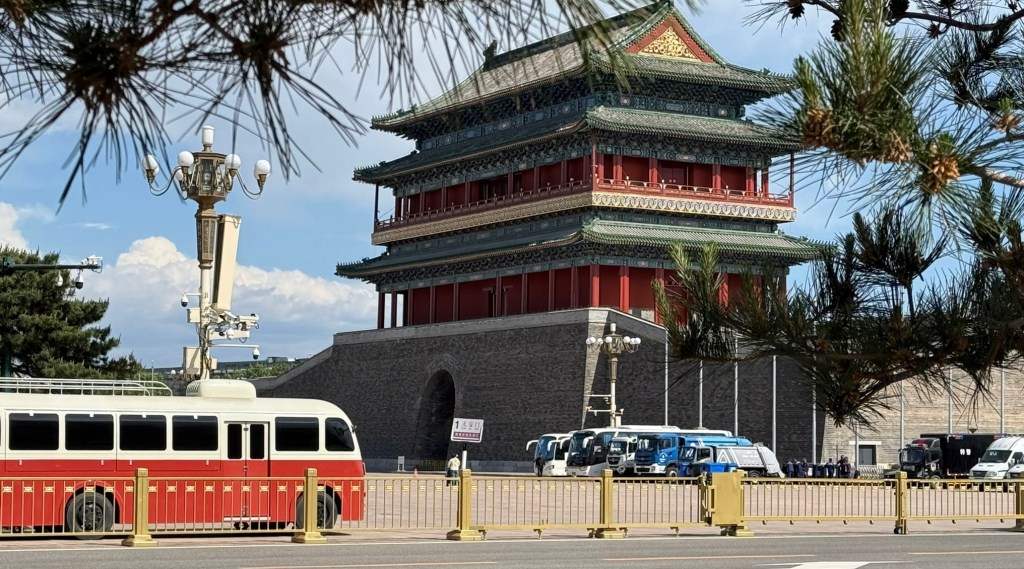
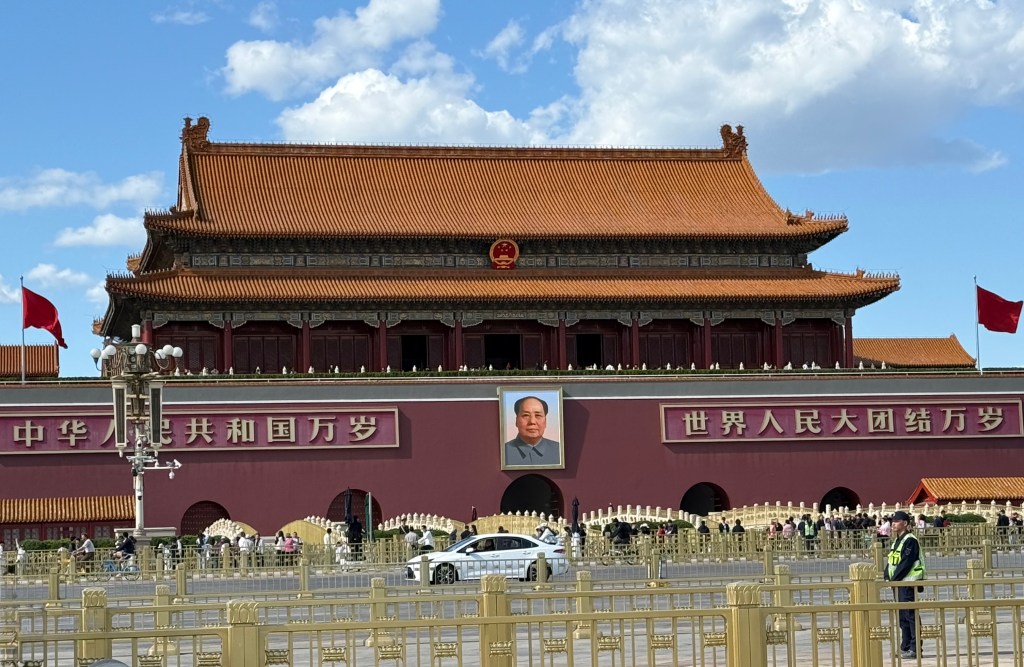
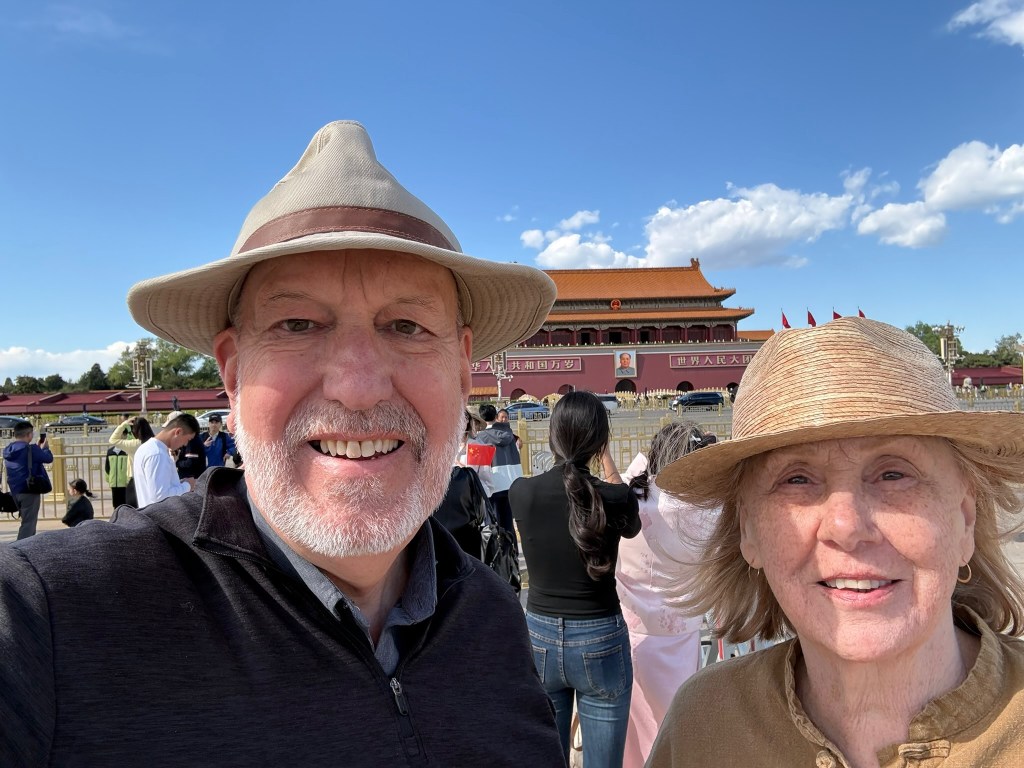
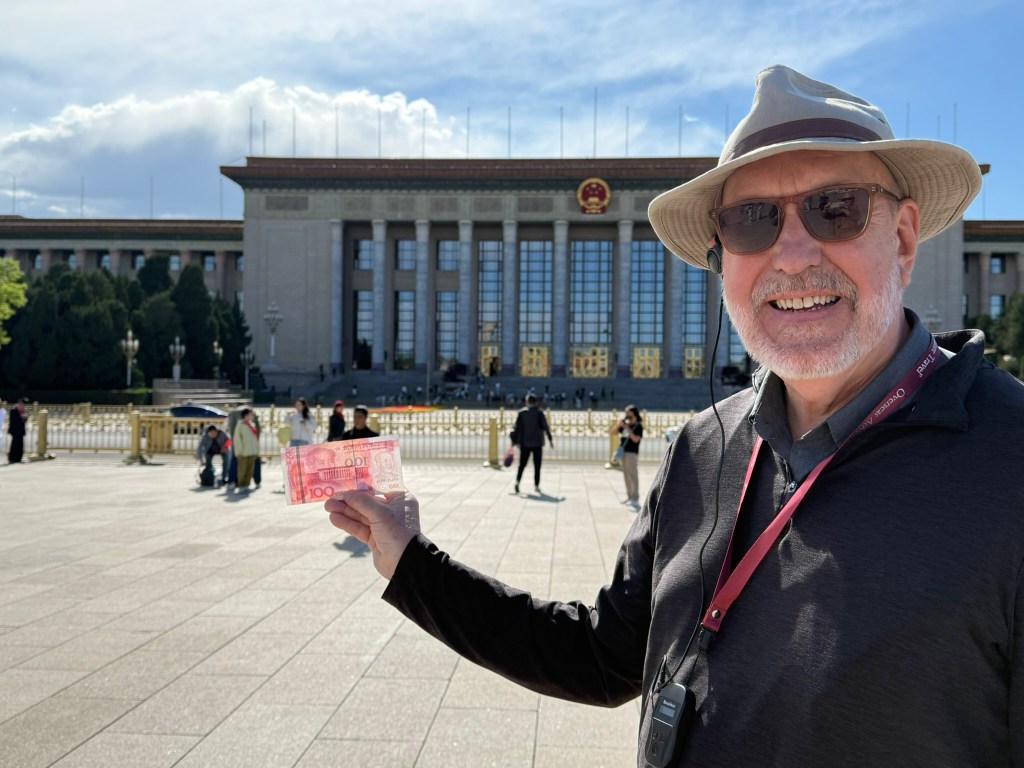
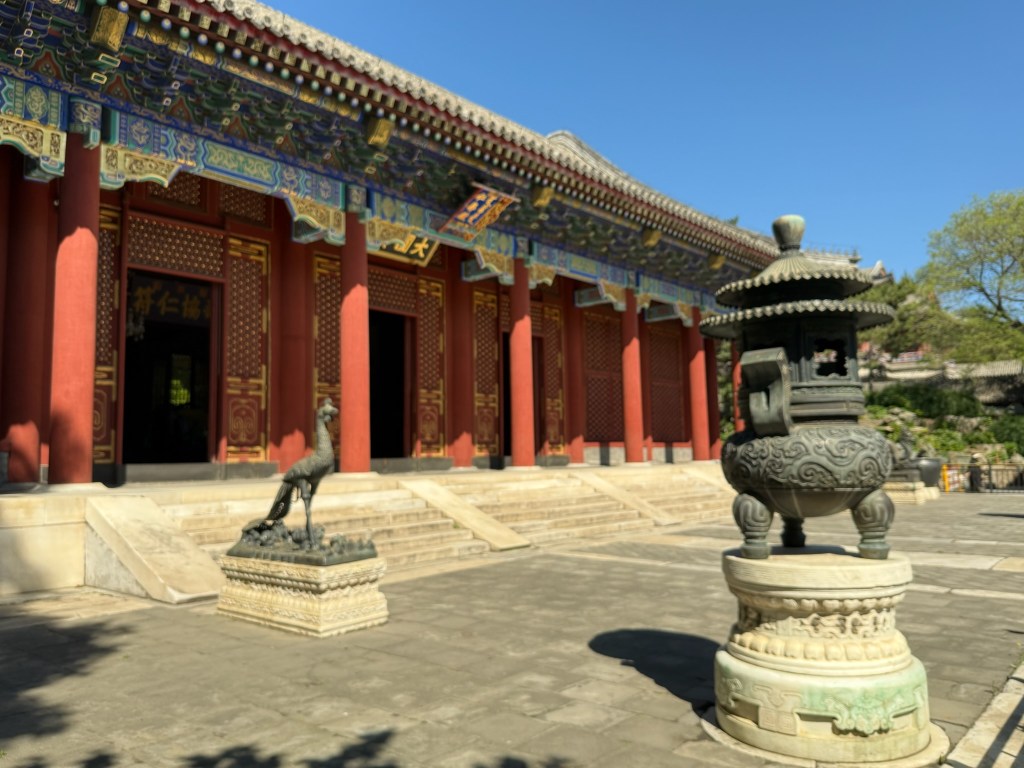
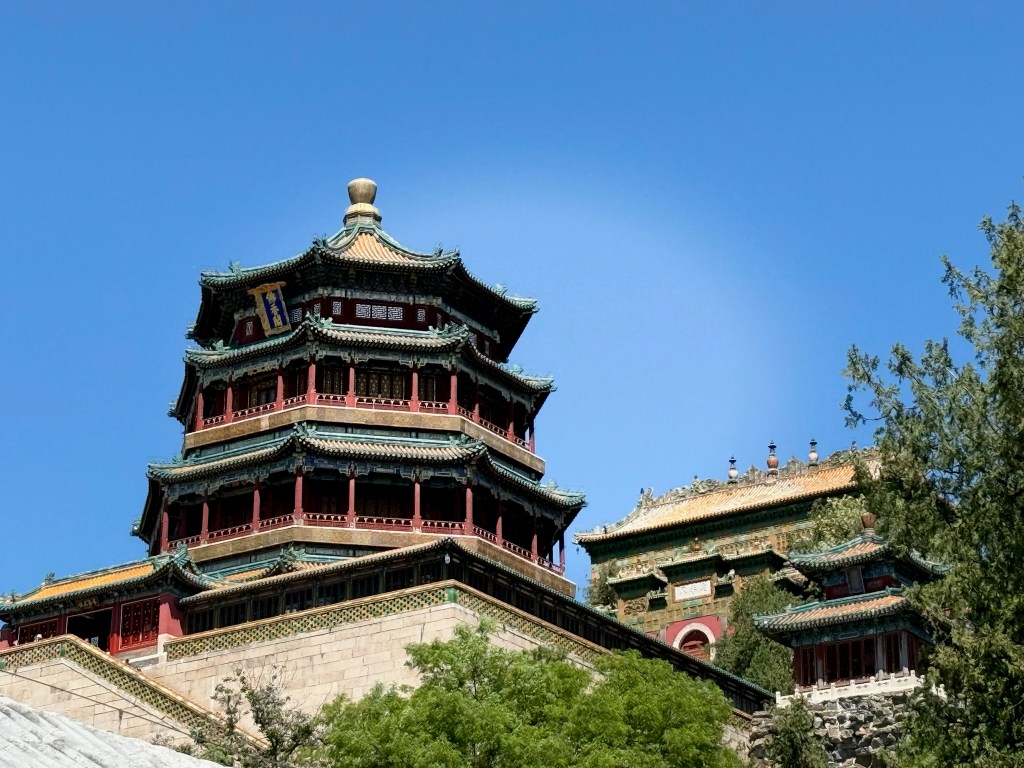
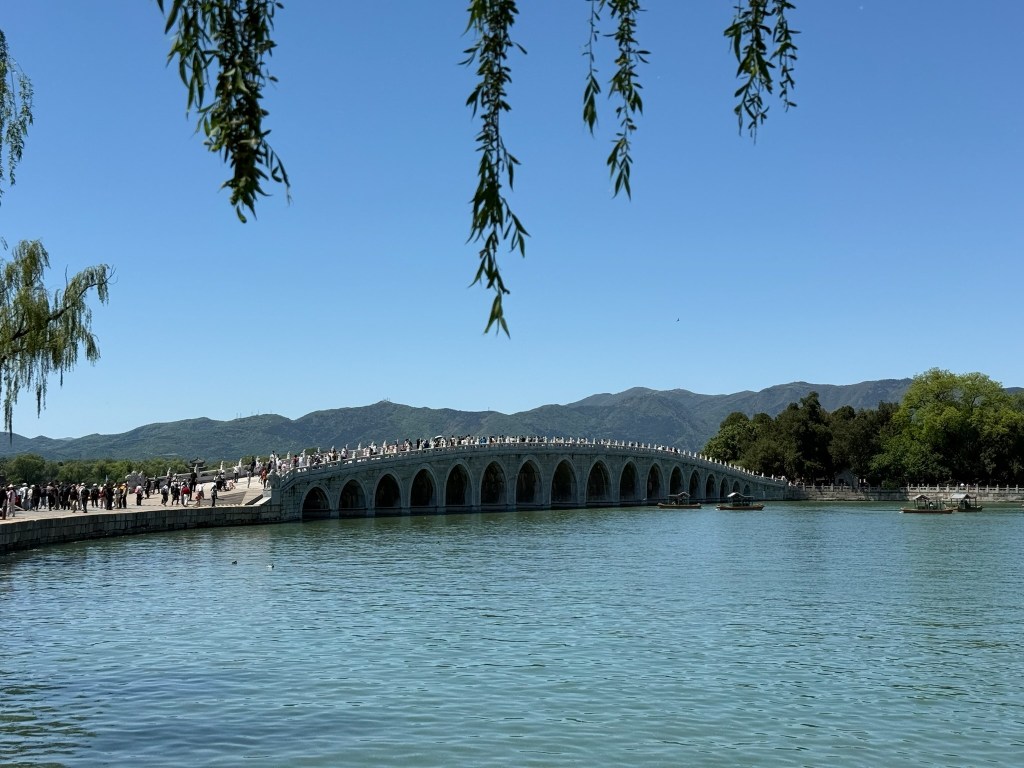
With the group we braved the tourist hordes at The Forbidden City and the Summer Palace, which are indeed vast and grand but a bit sterile. Then we strolled across the huge expanse of Tiananmen Square with Mao’s mausoleum building in the center and his large portrait draped at the far end. Surveillance cameras abound and there are several layers of security to enter the square. One cannot bring in books, pens or papers of any kind. One Chinese family was taking a selfie there while holding up a small national flag, but it was inadvertently being held upside down. A security guard swiftly approached and scolded them and oversaw that they erased the errant photo from their phone camera.
We had the most fascinating hourlong conversation with a 66 yr old Beijing resident about the Cultural Revolution and the subsequent opening up of Chinese culture from the 1970s until 1989, when the crackdown on liberalism occurred in July of that year. When Mao instigated the first two 5 year plans in the 1950s to the early 60s, he was launching the Marxist path to the Chinese future and decided to reeducate all the elite intellectuals to the plight and dignity of the common worker and peasant. This resulted in three years of famine when 35 million farmers were taken from their fields to work in factories, with educated people doing manual labor and endlessly reciting political slogans throughout the day in a massive brainwashing national exercise that left crops unharvested and no stores of seed to be resown. A massive failure with many, many deaths.
This individual’s parents were very highly educated, a physicist father who was fluent in Mandarin, Russian, French and English and his mother a top chemist. He was exposed in utero to his mother’s extreme famine and was subsequently born with an eye condition undiagnosed for several years which rendered him functionally blind for his entire life, although he can use a phone to read close up. When he and his brother were 9 and 11 years old, his parents were sent away for reeducation and the children fended for themselves for over a year with no adult oversight whatsoever. As a result, even when the father returned due to illness, this resident received no real formal education until he was a teenager. But he was so innately capable, whether through genetic inheritance or just extraordinary tenacity, that he managed to learn English on his own in some 6 months by secretively listening to the Voice of America on a radio.
Let that sink in for a moment, the soft power that the US projected in the post WWII era for 80 years until just the last year singularly changed the trajectory of thousands of peoples’ lives around the world. This man’s life was so transformed that within that year of learning, when China opened up its universities once again in the 70s to the rigorous entrance examination system after the Cultural Revolution, he scored in the top 200 students of all of Beijing and he was given some leeway in choosing his intended course of study. While the government strongly urged him to study Chinese History, he opted instead to major in English. And so it happened, this brilliant resident of Beijing spoke the most fluent English of anyone we encountered here our whole trip, including all of our hosts and guides.
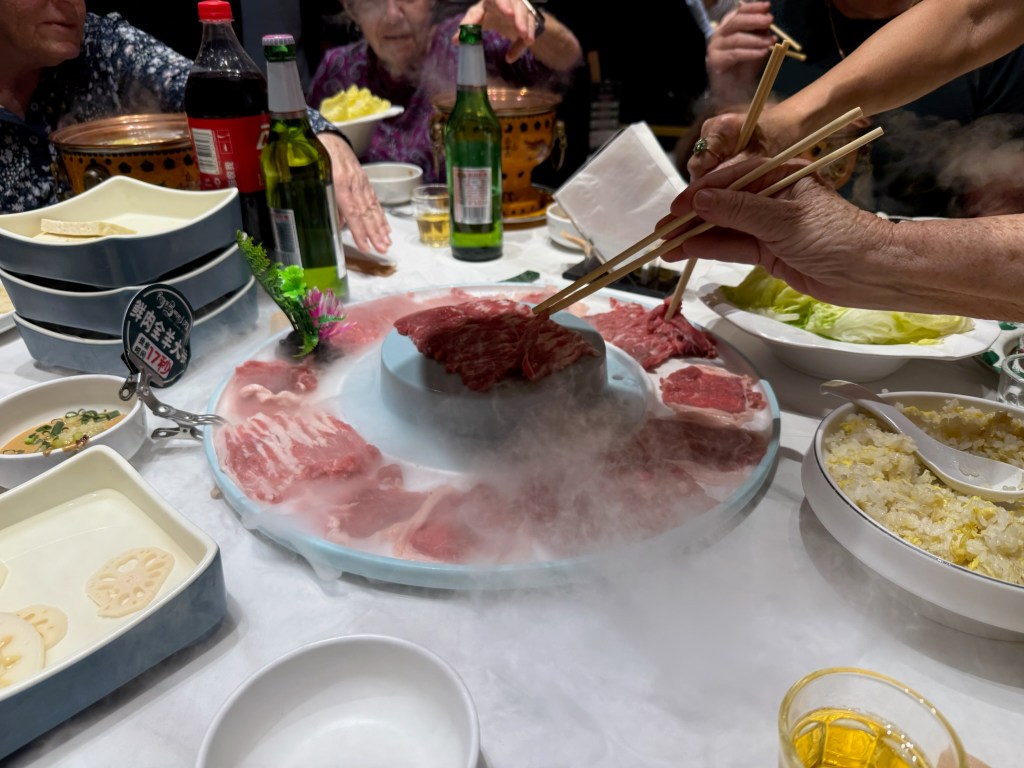
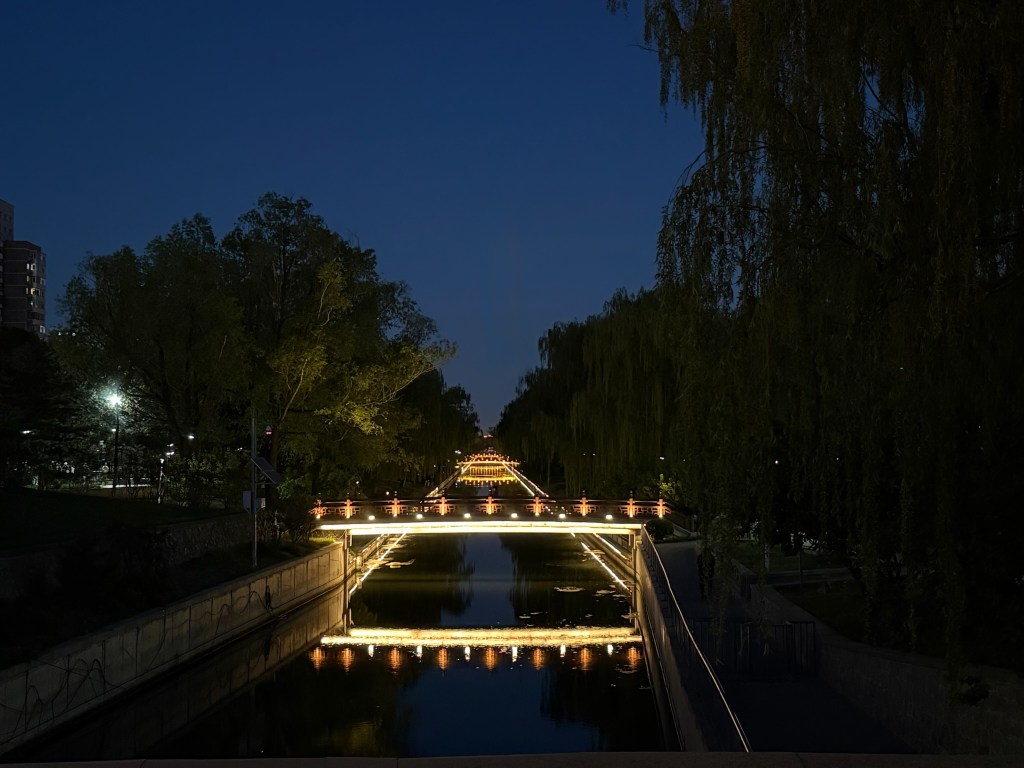
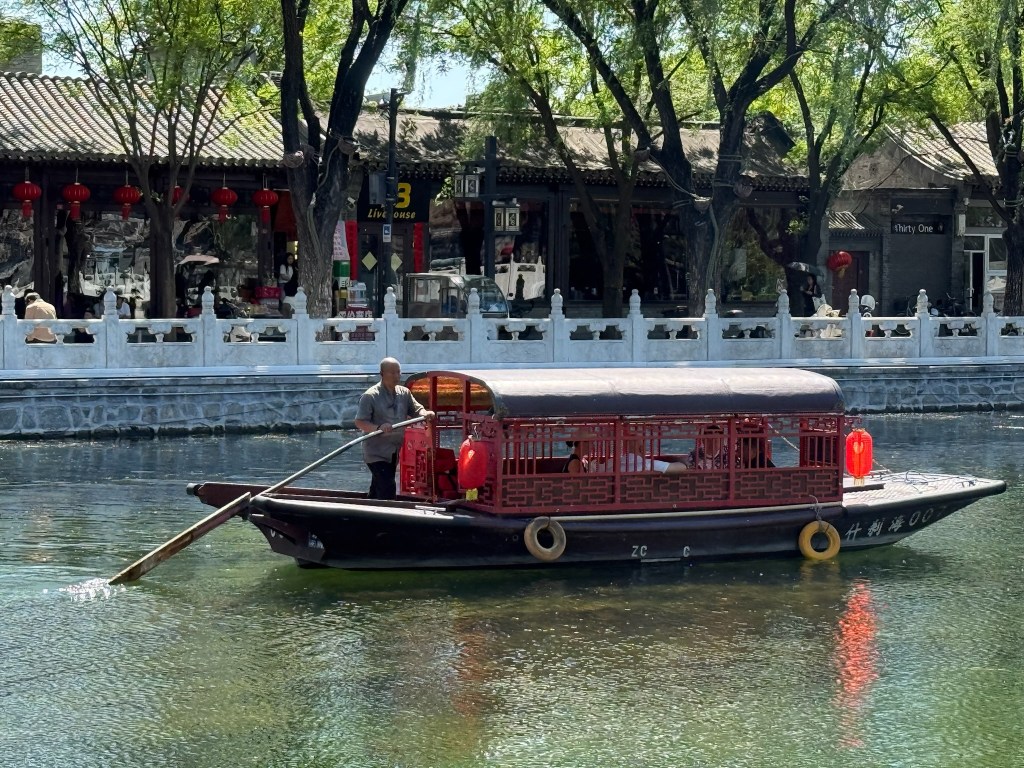
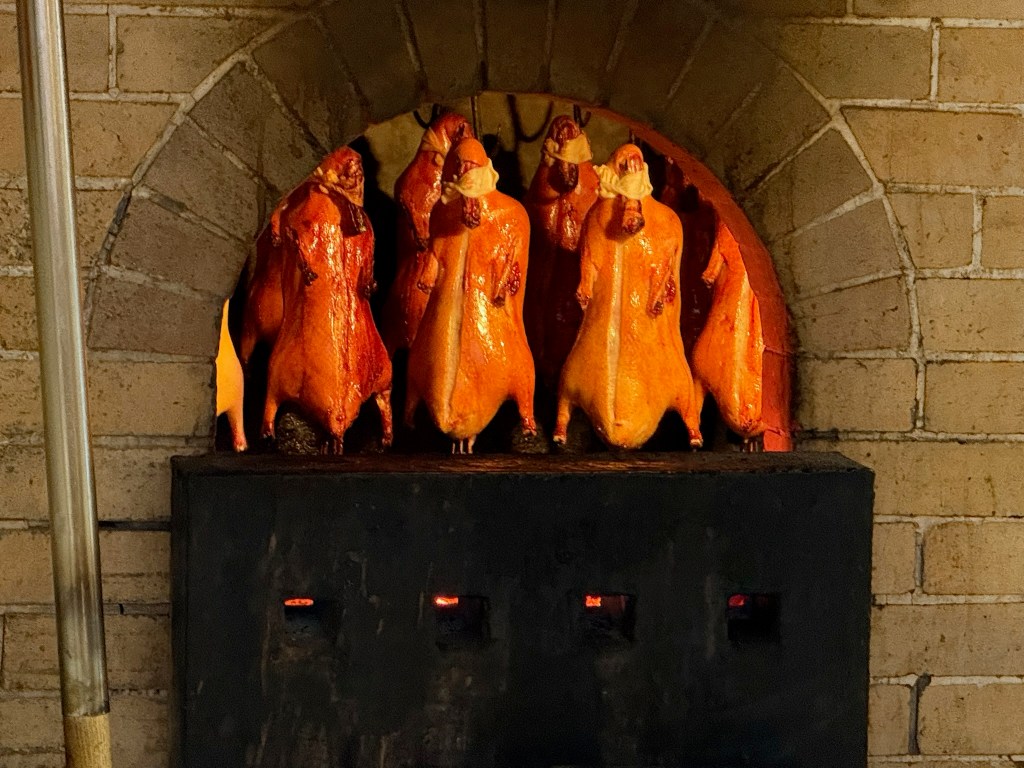
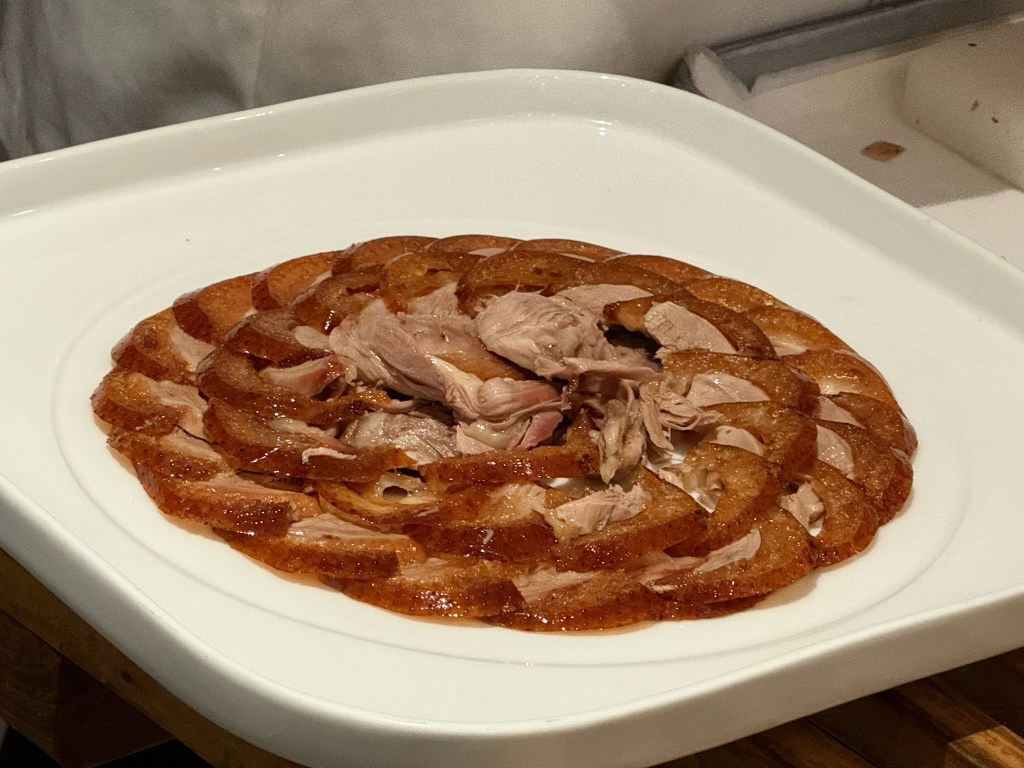
Our last day, we explored the old Hutong alley neighborhoods along the waterway and then had our fond farewell banquet at a superb Peking duck specialty restaurant where every dish served was a triumph. This has been quite the adventure of learning and discovery with our preconceptions of this vast country forever dashed and replaced with a desire for our two great superpowers to cooperate more and distrust less. The people and experiences here have profoundly changed us for the better.
Bob


Leave a Reply